IGF / Muscle research — truncated endogenously-identified human IGF-1 analogue (research / bioproduction reagent) Limited Human Data

IGF-1 DES (1-3)

Also Known As: Des(1-3) IGF-1, Des-(1-3)-IGF-I, DES IGF-1, DES-1,3-IGF-1, IGF-1 DES, des-1,3-IGF-I, des(1-3)IGF-I, IGF-I DES, brain IGF-I (historical, Sara nomenclature)

IGF-1 DES (1-3) is a truncated 67-amino-acid analogue of human insulin-like growth factor 1 in which the first three N-terminal residues — Glycine, Proline, Glutamate (Gly-Pro-Glu, "G-P-E") — have been deleted. Studies report that DES(1-3) IGF-1 reduces affinity for the IGF-binding-protein family (principally IGFBP-3) by approximately 10–20-fold while preserving IGF-1 receptor (IGF1R) binding essentially unchanged; in cultured rat L6 myoblasts and chick embryo fibroblast assays the result is approximately 10-fold greater bioactivity per unit dose than native IGF-1 (Ballard 1987 PMID 2829842; Bagley 1989 PMID 2479390; Francis 1992 PMID 1419965). CRITICAL EDITORIAL DISTINGUISHER — endogenous origin: DES(1-3) IGF-1 was originally identified in the mid-1980s by Vicky R. Sara's group at the Karolinska Institute (Sweden) as an ENDOGENOUS truncated IGF-1 variant in human fetal brain extracts (Sara 1986 PNAS PMID 3460079; Sara 1989 BBRC PMID 2598920); it is additionally generated in human serum by an acid-protease cleavage of native IGF-1 (Yamamoto & Murphy 1995 PMID 7639698) — DES(1-3) IGF-1 is therefore not purely synthetic but a naturally-occurring CNS-enriched IGF-1 species. CRITICAL DISAMBIGUATION: DES(1-3) IGF-1 is NOT mecasermin (brand name Increlex®, DrugBank DB01277), which is unmodified recombinant native human IGF-1 (70 aa, including the G-P-E N-terminus) and has been FDA-approved since 30 August 2005 (Tercica/Ipsen, NDA 021839) for severe primary IGF-1 deficiency including Laron syndrome. Mecasermin is a different molecule. DES(1-3) IGF-1 is also NOT IGF-1 LR3 (an 83 aa engineered analogue with an MFPAMPLSSLFVN extension and a Glu³→Arg³ substitution); both exploit IGFBP evasion but via different chemical strategies. A ClinicalTrials.gov audit on 2026-05-02 (query.term=des(1-3)+IGF-1; query.intr=des-IGF-1) returned 0 studies in which DES(1-3) IGF-1 is the investigational product — the few keyword-only hits returned belong to unrelated programmes (an elite female athlete hormonal monitoring study; a somapacitan-vs-Norditropin GH comparator study where IGF-1 is measured as an outcome) and do NOT use DES(1-3) IGF-1 as the intervention. Bioprocess-reagent supply by reagent vendors (e.g., Sigma "Des-IGF-I", GroPep / Repligen) is NOT equivalent to therapeutic approval. IGF-1 DES (1-3) is on the 2026 WADA Prohibited List under Class S2.5 (Growth factors and growth factor modulators), prohibited in- and out-of-competition. Research use only.

Identity & Chemistry

NMR ribbon structure of native human insulin-like growth factor 1 (PDB 3GF1, Cooke 1991), the parent scaffold for DES(1-3) IGF-1. The DES(1-3) analogue lacks the first three N-terminal residues (Glycine-Proline-Glutamate); the rest of the structure is identical to native IGF-1.
Image credit: Nevit Dilmen, via Wikimedia Commons (CC BY-SA 3.0). Self-rendered from PDB entry 3GF1 (Cooke 1991, NMR solution structure of native human IGF-1) using Cn3D; data source NCBI Structure database. Native IGF-1 ribbon used as scaffold reference; DES(1-3) IGF-1 differs by deletion of the first three N-terminal residues (Gly-Pro-Glu) — the rest of the structure is unchanged. · CC BY-SA 3.0
Amino Acid Sequence
TLCGAELVDALQFVCGDRGFYFNKPTGYGSSSRRAPQTGIVDECCFRSCDLRRLEMYCAPLKPAKSA (mature human IGF-1 with the N-terminal Gly-Pro-Glu tripeptide deleted; 67 aa total, corresponding to residues 4–70 of native IGF-1 / UniProt P05019). The full native chain GPETLCGAELV…AKSA is shortened by removing G-P-E; this is the load-bearing structural distinguisher vs mecasermin / Increlex® (full 70 aa) and IGF-1 LR3 (83 aa, MFPAMPLSSLFVN extension + Glu³→Arg³).
Molecular Formula
C₃₁₉H₅₀₁N₉₁O₉₆S₇
Molecular Weight
~7371.48 Da (free base; Wikipedia chembox value, verified 2026-05-02). Vendor and supplier datasheets variably report 7371–7382 Da depending on protonation / counter-ion assumptions; render with provenance and do not collapse.
CAS Number
112603-35-7
IUPAC Name
Des-(Gly¹-Pro²-Glu³)-insulin-like growth factor I (peptide nomenclature). Systematic IUPAC peptide name not publicly indexed at PubChem because DES(1-3) IGF-1 has no canonical compound CID — parent native IGF-1 indexed at PubChem CID 16129704 for context only.
Solubility
Water-soluble at neutral / slightly acidic pH for cell-culture applications; vendor stocks are typically reconstituted at 0.1–1 mg/mL in 10 mM HCl or sterile water and then diluted into culture media. A quantitative aqueous solubility figure is not publicly indexed at PubChem. Vendor CoA governs; for research use only.
Storage
Lyophilised: −20 °C, protected from light, multi-year shelf-life per vendor labelling. Reconstituted aqueous: 2–8 °C short-term; aliquoted at −20 °C or −80 °C for longer-term storage to avoid freeze-thaw. Vendor-typical guidance; for research use only.

Mechanism of Action

Studies report that DES(1-3) IGF-1 acts as an IGFBP-evading agonist of the IGF-1 receptor (IGF1R): deletion of the N-terminal Gly-Pro-Glu tripeptide reduces IGFBP-3 affinity by approximately 10–20-fold while preserving IGF1R binding (low-nM Kd, comparable to native IGF-1) essentially unchanged; the resulting raised unbound free-fraction produces ~10-fold greater bioactivity per unit dose in cultured cell assays. The receptor pharmacology itself is unchanged. Observed in research settings; for research use only.
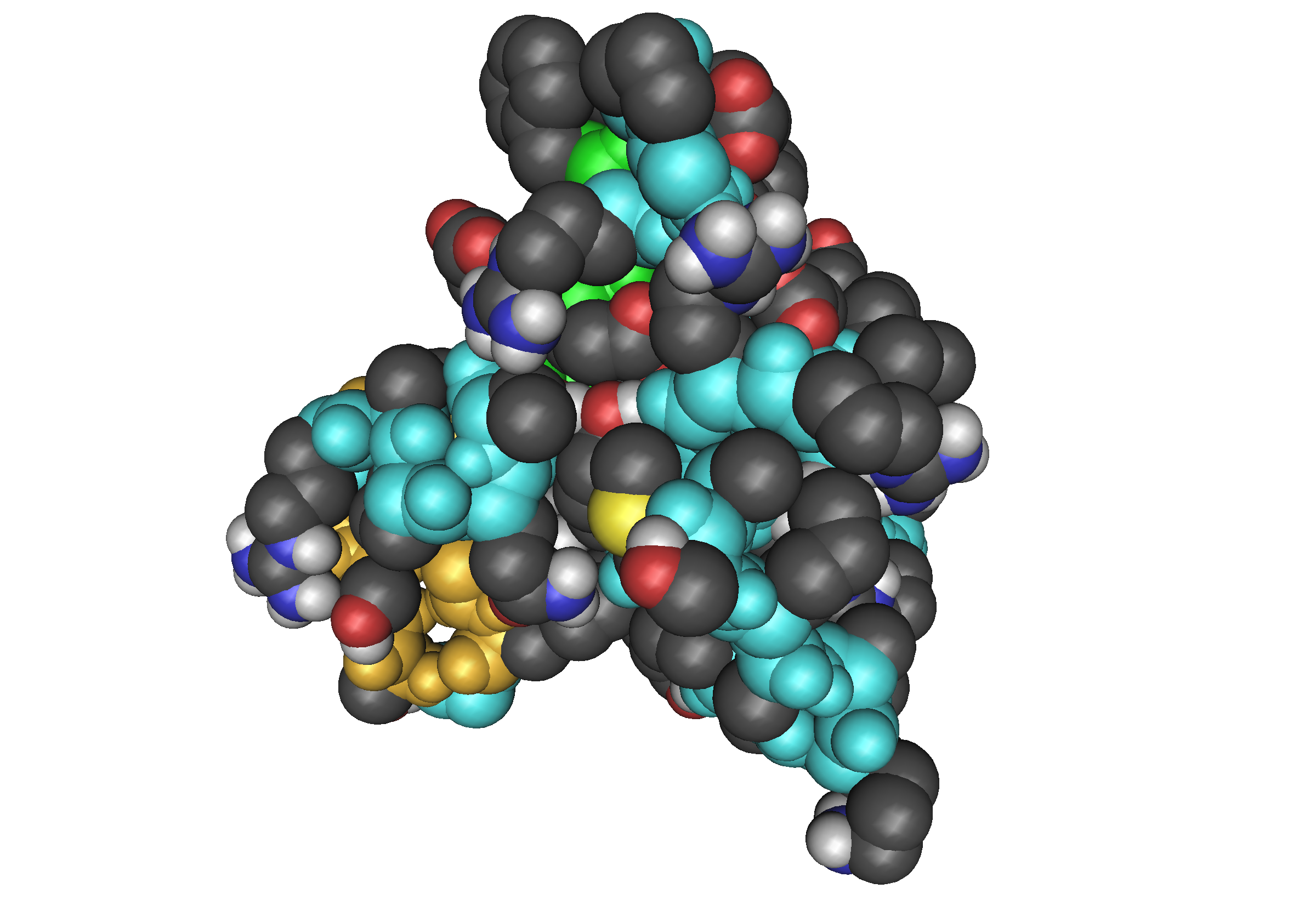
The biochemistry of DES(1-3) IGF-1 is dominated by a single structural change: removal of the N-terminal Gly-Pro-Glu tripeptide. In native IGF-1 the G-P-E residues form part of the contact surface that mediates high-affinity binding to IGFBP-3 (the principal circulating IGF-binding protein) and, to a lesser extent, IGFBP-1, -2, -4, -5 and -6. With G-P-E absent, IGFBP affinity drops by approximately one order of magnitude (~10–20-fold) while IGF1R contact — mediated by a different face of the molecule — is preserved (Bagley 1989, PMID 2479390; Francis 1992, PMID 1419965; Yamamoto & Murphy 1995, PMID 7639698). The pharmacodynamic consequence — first demonstrated by Ballard's group in cultured rat L6 myoblasts and chick embryo fibroblasts — is that DES(1-3) IGF-1 is approximately 10-fold more potent than native IGF-1 in stimulating DNA synthesis, protein synthesis and proliferation, despite having near-identical IGF1R affinity (Ballard 1987 PMID 2829842; Bagley 1989). The interpretation is that in the presence of physiological IGFBP-3 concentrations, native IGF-1 is largely sequestered into an inactive bound pool, whereas DES(1-3) IGF-1 evades that sequestration and remains available to engage IGF1R. Critically, DES(1-3) IGF-1 was originally identified as an ENDOGENOUS truncated variant in extracts of human fetal brain by Vicky R. Sara's group at the Karolinska Institute (Sara 1986 PNAS PMID 3460079; Sara 1989 BBRC PMID 2598920) — the truncated form is therefore a naturally-occurring, CNS-enriched IGF-1 species, not purely a synthetic construct. Yamamoto & Murphy (1995, PMID 7639698) subsequently showed that DES(1-3) IGF-1 is also generated in human serum by an acid-protease cleavage of native IGF-1, extending the endogenous-variant interpretation beyond the fetal brain compartment. This endogenous-origin point is the page's principal editorial distinguisher versus fully-engineered IGF-1 analogues such as IGF-1 LR3. Important PK/PD nuance: free-peptide plasma half-life is not published in any DES(1-3)-IGF-1-specific human dataset; it is extrapolated from native IGF-1 (~10 min unbound / ~10–12 h for the IGFBP-3 / ALS ternary complex; Tomas 1993). The longer effective bioactivity duration per dose comes from the raised free-fraction (receptor availability), NOT from a longer circulation of the molecule itself. The correct mechanistic phrasing therefore restricts itself to a ~10–20-fold reduction in IGFBP-3 affinity with preserved receptor-binding affinity — the receptor pharmacology itself is unchanged. Observed in research settings; for research use only.

Molecular Targets

  • IGF-1 receptor (IGF1R, Type 1 IGF receptor) — primary binding; heterotetrameric receptor tyrosine kinase. DES(1-3) IGF-1 binds IGF1R with affinity comparable to native IGF-1 (low-nM Kd) (Bagley 1989, PMID 2479390)
  • IGFBP-3 (and to a lesser extent IGFBP-1, -2, -4, -5, -6) — observed in research settings: ~10–20-fold reduced affinity vs native IGF-1 (Bagley 1989; Francis 1992 PMID 1419965). The G-P-E tripeptide is part of the IGFBP-3 contact surface — its deletion is the engineering rationale of binding-protein evasion
  • Insulin receptor — low-affinity cross-reactivity at supraphysiological concentrations (low-µM range), shared with native IGF-1; mechanistic basis for the hypoglycaemia liability observed in rodent in-vivo studies at high doses
  • IGF-2 receptor (IGF2R / cation-independent mannose-6-phosphate receptor) — no high-affinity binding (DES(1-3), like native IGF-1, is a poor IGF2R ligand)
  • Anti-doping detection (WADA Class S2.5) — DES(1-3) IGF-1 falls within the S2.5 scope; tryptic peptides without the N-terminal G-P-E allow analytical distinction from native IGF-1 / mecasermin in WADA-accredited laboratories

Signaling Pathways

  • IGFBP evasion → raised unbound IGF-1 free-fraction → stronger IGF1R activation in IGFBP-rich settings (Bagley 1989; Francis 1992)
  • IGF1R → IRS-1/2 → PI3K → AKT → mTORC1 — anabolic, protein synthesis, glucose uptake; identical to native-IGF-1 downstream signalling — IGFBP evasion does NOT alter receptor pharmacology, only ligand availability
  • IGF1R → Ras / Raf / MEK / ERK — proliferation, differentiation, mitogenic outcomes; studies report ~10-fold greater efficacy of DES(1-3) IGF-1 vs native IGF-1 in thymidine-incorporation, protein-synthesis and amino-acid-uptake assays in rat L6 myoblasts and chick embryo fibroblasts (Ballard 1987 PMID 2829842)
  • In-vivo consequence (rodent): Tomas 1993 (PMID 8228754) reports greater nitrogen retention, larger whole-body growth effects and stronger gut/kidney trophic effects per unit dose vs native IGF-1 in growth-restricted rats — the in-vivo validation of the IGFBP-evasion logic
  • Insulin-receptor cross-reactivity at high doses → glucose-lowering / hypoglycaemia liability; shared with native IGF-1 / mecasermin

Research Applications

The published evidence base for DES(1-3) IGF-1 specifically is preclinical and biochemical — no registered human Phase 1/2/3 trial exists (ClinicalTrials.gov audit 2026-05-02 → 0 studies for query.term=des(1-3)+IGF-1 as an intervention; the few keyword-only hits returned belong to unrelated programmes and do NOT use DES(1-3) IGF-1 as the investigational product). The foundational literature comes from two closely collaborating research lineages: the Karolinska Sara group (discovery and endogenous-variant biology, 1986–1989) and the CSIRO Adelaide / GroPep Ballard-Francis-Wallace group (mechanistic and applied biology, 1987–1993), with independent confirmation of endogenous generation by Yamamoto & Murphy (1995, Manitoba / Canada). Observed in research settings.

Discovery as an endogenous brain-truncated IGF-1 variant — Sara 1986 / 1989, Karolinska Institute, preclinical / foundational

preclinical

Studies report identification of the dominant IGF-1 immunoreactive species in human fetal brain tissue as a truncated variant LACKING the N-terminal Gly-Pro-Glu tripeptide (i.e., a 67-aa analogue starting at Thr⁴ of mature IGF-1). The truncated form bound IGFBPs with markedly reduced affinity and showed enhanced bioactivity in fetal rat brain cell cultures versus native IGF-1. Foundational evidence that DES(1-3) IGF-1 is ENDOGENOUS, not purely synthetic.

— Sara et al. 1986 PNAS 83(13):4904–4907 (PMID 3460079); Sara et al. 1989 Biochem Biophys Res Commun 165(2):766–771 (PMID 2598920)

Enhanced biological potency in cultured cells — Ballard 1987, preclinical in vitro (rat L6 myoblasts and chick embryo fibroblasts)

in vitro

Studies report DES(1-3) IGF-1 was approximately 10-fold more potent than native IGF-1 in stimulating thymidine incorporation, protein synthesis and amino-acid uptake in L6 cells; the effect was attributed to IGFBP evasion rather than altered receptor pharmacology. Established DES(1-3) IGF-1 as the prototype IGFBP-evading IGF-1 analogue.

— Ballard et al. 1987 Biochem Biophys Res Commun 149(2):398–404 (PMID 2829842)

IGFBP affinity quantification — Bagley 1989 / Francis 1992, preclinical biochemical (binding-affinity assays)

in vitro

Studies report DES(1-3) IGF-1 affinity for IGFBP-3 reduced approximately 10–20-fold versus native IGF-1, while IGF1R affinity was preserved within ~2-fold (essentially unchanged). Confirmed the IGFBP-evasion mechanism as the source of the in-vitro potency advantage.

— Bagley et al. 1989 Biochem J 259(3):665–671 (PMID 2479390); Francis et al. 1992 J Mol Endocrinol 8(3):213–223 (PMID 1419965)

In-vivo growth and tissue effects in rodents — Tomas 1993, preclinical in vivo (rat)

in vivo

Studies report DES(1-3) IGF-1 produced substantially greater whole-body growth and gut/kidney trophic effects per unit dose than native IGF-1 in catabolic / growth-restricted rats; effects were attributable to higher free-fraction availability for IGF1R (receptor availability), NOT to a longer plasma circulation per se.

— Tomas et al. 1993 J Endocrinol 137(3):413–421 (PMID 8228754)

Endogenous generation in human serum — Yamamoto & Murphy 1995, independent confirmation (Manitoba / Canada)

in vitro

Studies report that DES(1-3) IGF-1 is generated in human serum by an acid-protease cleavage of native IGF-1 — i.e., the truncated variant exists endogenously beyond the fetal-brain compartment, also in adult human body fluids. Reinforces the endogenous-variant interpretation and provides an independent (non-Sara, non-Ballard) confirmation lineage.

— Yamamoto & Murphy 1995 Biochem Biophys Res Commun 212(2):442–449 (PMID 7639698)

Clinical Status

Regulatory Status
IGF-1 DES (1-3) is not approved by the FDA, the EMA, Health Canada, the TGA (Australia), the PMDA (Japan), the MHRA (United Kingdom) or the NMPA (China) as a therapeutic. There is NO registered Phase 1/2/3 programme and no public IND filing. A ClinicalTrials.gov query on 2026-05-02 (query.term=des(1-3)+IGF-1; query.intr=des-IGF-1) returned 0 studies in which DES(1-3) IGF-1 is the investigational product — the few keyword hits returned belong to unrelated programmes (an elite female athlete hormonal monitoring study without any DES(1-3) intervention; a somapacitan-vs-Norditropin GH comparator study where IGF-1 is measured as an outcome rather than used as the intervention) and none qualifies as a DES(1-3) IGF-1 trial. The use of DES(1-3) IGF-1 is restricted to cell-culture / bioproduction reagent supply (e.g., Sigma "Des-IGF-I", GroPep / Repligen catalogue); bioprocess-reagent supply is NOT equivalent to therapeutic approval. CRITICAL DISAMBIGUATION: mecasermin (brand name Increlex®, DrugBank DB01277) is unmodified recombinant native human IGF-1 (70 aa, including the G-P-E N-terminus) and has been FDA-approved since 30 August 2005 (Tercica/Ipsen, NDA 021839) for severe primary IGF-1 deficiency including Laron syndrome — mecasermin is NOT IGF-1 DES (1-3) and must not be conflated (different molecule). Anti-doping: IGF-1 DES (1-3) is on the 2026 WADA Prohibited List under Class S2 (Peptide Hormones, Growth Factors, Related Substances and Mimetics), sub-section S2.5 (Growth factors and growth factor modulators) — prohibited in- and out-of-competition. IGF-1 and its analogues (including mecasermin and DES(1-3) IGF-1) are explicitly named on the S2.5 list.
Show more
Highest Trial Phase
Highest published phase: none. No registered Phase 1 / Phase 2 / Phase 3 trial of DES(1-3) IGF-1 as an investigational therapeutic exists on ClinicalTrials.gov (audit 2026-05-02). Human evidence depth on DES(1-3) IGF-1 specifically is essentially nil; preclinical data are confined to in-vitro binding and bioactivity assays, rodent in-vivo growth and nitrogen-balance studies, and the foundational endogenous-variant isolation literature from the late 1980s / early 1990s.
Show more
Sponsor
Discovery: Vicky R. Sara and colleagues, Karolinska Institute (Sweden), 1986–1989 — endogenous variant in human fetal brain. Commercial development as a bioproduction supplement: GroPep Pty Ltd (Adelaide, Australia), 1990s onward; product line subsequently acquired by Repligen Corporation. There is NO pharmaceutical / therapeutic sponsor for human indications.
Show more

Safety Profile

Observed in research settings

There is NO human pharmacovigilance dataset for DES(1-3) IGF-1 specifically — the substance has never been approved as a therapeutic and has never been used as the study drug in a registered human trial. Safety statements are framed exclusively as "observed in research settings" or "extrapolated from native-IGF-1 / mecasermin clinical literature where DES(1-3)-specific data are absent". The principal theoretical / class-extrapolated concerns are: (i) hypoglycaemia via insulin-receptor cross-reactivity at supraphysiological concentrations, (ii) mitogenic / proliferative signalling concerns from chronic IGF1R activation, (iii) no characterised injection-site / immunogenicity / long-term safety data. Observed in research settings.

Adverse Events Reported in Studies

  • Hypoglycaemia (insulin-receptor cross-reactivity at high doses) — observed in rodent in-vivo DES(1-3) IGF-1 studies (Tomas 1993 PMID 8228754); systematically reported in the mecasermin / Increlex® clinical label for native IGF-1 in humans (extrapolation noted)
  • Injection-site reactions — not characterised in human subjects (no human trials); for mecasermin (native IGF-1), lipohypertrophy and rare hypersensitivity are documented in the FDA prescribing information (relevance to DES(1-3) IGF-1 unverified)
  • Mitogenic / proliferative signalling — IGF1R activation drives anti-apoptotic and proliferative signalling; theoretical concern grounded in the broader GH/IGF-1-axis epidemiology
  • Fluid retention / oedema — extrapolated from chronic IGF1R stimulation in mecasermin studies
  • Headache — extrapolated from paediatric mecasermin cohorts

Serious Adverse Events

  • Human data gap: NO long-term pharmacovigilance dataset for DES(1-3) IGF-1 — multi-month or multi-year human safety data have not been published. Safety statements framed exclusively as "observed in research settings" or "extrapolated from mecasermin / native IGF-1 where DES(1-3)-IGF-1-specific data are absent"
  • Theoretical proliferation / cancer risk: epidemiological associations between elevated IGF-1 and risk signals for several cancers (breast, prostate, colorectal) are well-described in the broader GH/IGF-1-axis literature; whether chronic exogenous DES(1-3) IGF-1 administration would translate that signal into incident risk in humans is UNSTUDIED — the IGFBP-evasion property amplifies the per-dose free-fraction signal
  • Intracranial hypertension (rare; reported in the mecasermin / Increlex® label for native IGF-1) — extrapolated; not DES(1-3)-specifically documented
  • No reproductive-toxicity, pregnancy / lactation data and no drug-interaction studies in humans
  • Anti-doping: IGF-1 DES (1-3) is prohibited under WADA Class S2.5 (Growth factors and growth factor modulators) — in- and out-of-competition

References

  1. Sara VR, Carlsson-Skwirut C, Andersson C, Hall E, Sjögren B, Holmgren A, Jörnvall H Characterization of somatomedins from human fetal brain: identification of a variant form of insulin-like growth factor I Proceedings of the National Academy of Sciences USA 1986;83(13):4904–4907. 1986 .

  2. Sara VR, Carlsson-Skwirut C, Bergman T, Jörnvall H, Roberts PJ, Crawford M, Håkansson LN, Civalero I, Nordberg A Identification of Gly-Pro-Glu (GPE), the aminoterminal tripeptide of insulin-like growth factor 1 which is truncated in brain, as a novel neuroactive peptide Biochem Biophys Res Commun 1989;165(2):766–771. 1989 .

  3. Ballard FJ, Francis GL, Ross M, Bagley CJ, May B, Wallace JC Natural and synthetic forms of insulin-like growth factor-1 (IGF-1) and the potent derivative, destripeptide IGF-1: biological activities and receptor binding Biochem Biophys Res Commun 1987;149(2):398–404. 1987 .

  4. Bagley CJ, May BL, Szabo L, McNamara PJ, Ross M, Francis GL, Ballard FJ, Wallace JC A key functional role for the insulin-like growth factor 1 N-terminal pentapeptide Biochem J 1989;259(3):665–671. 1989 .

  5. Francis GL, Ross M, Ballard FJ, Milner SJ, Senn C, McNeil KA, Wallace JC, King R, Wells JR Novel recombinant fusion protein analogues of insulin-like growth factor (IGF)-I indicate the relative importance of IGF-binding protein and receptor binding for enhanced biological potency Journal of Molecular Endocrinology 1992;8(3):213–223. 1992 .

  6. Tomas FM, Knowles SE, Owens PC, Read LC, Chandler CS, Gargosky SE, Ballard FJ Effects of full-length and truncated insulin-like growth factor-I on nitrogen balance and muscle protein metabolism in nitrogen-restricted rats Journal of Endocrinology 1993;137(3):413–421. 1993 .

  7. Yamamoto H, Murphy LJ Generation of des-(1-3) insulin-like growth factor-I in serum by an acid protease Biochem Biophys Res Commun 1995;212(2):442–449. 1995 .

  8. Wikipedia contributors Des(1-3) IGF-1 — chembox source for molecular formula C₃₁₉H₅₀₁N₉₁O₉₆S₇, MW ~7371.48 Da, CAS 112603-35-7, 67-aa truncated IGF-1 sequence Wikipedia. 2026 .

  9. World Anti-Doping Agency The 2026 Prohibited List — International Standard. Effective 1 January 2026. Section S2.5 (Growth factors and growth factor modulators); IGF-1 and analogues are explicitly named — DES(1-3) IGF-1 falls within scope, prohibited in- and out-of-competition WADA. 2026 .

  10. UniProt Consortium P05019 — IGF1_HUMAN: Insulin-like growth factor I (Homo sapiens). Parent native-IGF-1 sequence reference; DES(1-3) corresponds to residues 4–70 of the mature 70-aa chain UniProt KB. 2026 .

  11. U.S. Food and Drug Administration / Tercica Inc. Drugs@FDA: Increlex (mecasermin) injection — NDA 021839, initial approval 30 August 2005. For DISAMBIGUATION ONLY: mecasermin (DrugBank DB01277) is unmodified rh-IGF-1 (70 aa native sequence), distinct from DES(1-3) IGF-1 (67 aa truncated analogue) — must not be conflated FDA Drugs@FDA. 2005 .

Frequently Asked Questions

What is IGF-1 DES (1-3)?
IGF-1 DES (1-3) is a truncated 67-amino-acid analogue of human insulin-like growth factor 1 (IGF-1) in which the first three N-terminal residues — Glycine, Proline, Glutamate (Gly-Pro-Glu, "G-P-E") — have been deleted. It was originally identified in the mid-1980s by Vicky R. Sara's group at the Karolinska Institute as an ENDOGENOUS truncated IGF-1 variant in human fetal brain (Sara 1986 PNAS, PMID 3460079; Sara 1989 BBRC, PMID 2598920). Today it is used principally as a cell-culture / bioproduction media supplement and as a mechanistic research reagent.
What's the difference between IGF-1 DES (1-3) and IGF-1 LR3?
Both are IGF-1 analogues engineered to evade insulin-like growth factor binding proteins (IGFBPs) — but they use DIFFERENT chemical strategies. DES(1-3) IGF-1 REMOVES the N-terminal Gly-Pro-Glu tripeptide, reducing IGFBP-3 affinity ~10–20-fold while preserving IGF1R binding (Bagley 1989, PMID 2479390). IGF-1 LR3 KEEPS the full 70-aa chain but adds a 13-residue N-terminal extension MFPAMPLSSLFVN AND substitutes Arg for Glu at position 3, reducing IGFBP affinity by roughly three orders of magnitude and giving an extended functional half-life. In short: DES(1-3) enhances intrinsic IGF1R potency by REMOVING IGFBP-binding contacts; LR3 prolongs IGFBP-evasion by adding a steric extension and a key substitution. Both achieve longer effective bioactivity but via different mechanistic routes. DES(1-3) is the smaller, endogenously-discovered analogue; LR3 is the larger, fully-engineered analogue.
Is IGF-1 DES (1-3) the same as Increlex (mecasermin)?
No. Increlex® (international non-proprietary name: mecasermin, DrugBank DB01277) is recombinant UNMODIFIED native human IGF-1 — the full 70-amino-acid chain INCLUDING the N-terminal Gly-Pro-Glu tripeptide. Mecasermin received FDA approval on 30 August 2005 (Tercica / Ipsen, NDA 021839) for the treatment of growth failure in children with severe primary IGF-1 deficiency including Laron syndrome. IGF-1 DES (1-3) is a DIFFERENT MOLECULE — the same scaffold MINUS the first three residues — and has NEVER been approved by the FDA, EMA or any other regulator for any indication. Lay and grey-market sources sometimes conflate "IGF-1" products; this dossier treats them as distinct chemical entities.
Is IGF-1 DES (1-3) FDA-approved?
No. IGF-1 DES (1-3) has NEVER been approved by the U.S. Food and Drug Administration for any indication. It is also not approved by the EMA, Health Canada, the UK MHRA, the Japanese PMDA, the Australian TGA, or the Chinese NMPA. As of 2026-05-02 there are ZERO registered interventional trials on ClinicalTrials.gov that use DES(1-3) IGF-1 as the study drug; the few keyword-match results returned (an elite-athlete hormonal monitoring study; a somapacitan-vs-Norditropin GH comparator study) do NOT administer DES(1-3) IGF-1 as the investigational product. Material in circulation as a "research chemical" or as a cell-culture media supplement is NOT equivalent to regulatory approval for human use.
Is IGF-1 DES (1-3) banned in sport?
Yes. IGF-1 DES (1-3) is prohibited under the World Anti-Doping Agency 2026 Prohibited List, category S2 (Peptide Hormones, Growth Factors, Related Substances and Mimetics), sub-section S2.5 (Growth factors and growth factor modulators) — both in- and out-of-competition. IGF-1 and its analogues are explicitly named on the S2.5 list among growth factors that affect muscle, tendon or ligament protein synthesis or degradation, vascularisation, energy utilisation, regenerative capacity or fibre-type switching — DES(1-3) IGF-1 falls squarely within that scope.
How was IGF-1 DES (1-3) discovered?
It was discovered as an ENDOGENOUS IGF-1 variant — not as a synthetic construct. In the mid-1980s, Vicky R. Sara and colleagues at the Karolinska Institute (Sweden) extracted human fetal brain tissue and purified the dominant IGF-1 immunoreactive species. N-terminal sequencing showed that the molecule was missing the first three residues (Gly-Pro-Glu) of native IGF-1, corresponding to a 67-aa truncated analogue (Sara 1986 PNAS PMID 3460079; Sara 1989 BBRC PMID 2598920). Yamamoto & Murphy (1995, PMID 7639698) subsequently demonstrated that DES(1-3) IGF-1 is also generated in human serum by an acid-protease cleavage of native IGF-1 — i.e., it exists endogenously beyond the fetal-brain compartment. Recombinant DES(1-3) IGF-1 was then commercialised in the 1990s — principally by GroPep Pty Ltd (Adelaide, Australia) — as a cell-culture media supplement; Sigma-Aldrich and other research-reagent vendors carry it under names such as "Des-IGF-I".

IGF-1 LR3

≥98%

IGF / Muscle research — recombinant human IGF-1 analogue (bioproduction reagent)

Recombinant 83-amino-acid analogue of human IGF-1 carrying a 13-residue MFPAMPLSSLFVN N-terminal extension and a Glu³→Arg³ substitution. Engineered for IGFBP evasion. Not approved by FDA or EMA as a therapeutic — not the same molecule as mecasermin / Increlex® (rh-IGF-1, DrugBank DB01277). Regulated only as a cell-culture / bioproduction reagent (Sigma-Aldrich, Repligen LONG®R³ IGF-I). On the WADA 2026 Prohibited List, Class S2.5. Research use only.

View Details

PEG-MGF

≥95%

IGF / Muscle research — N-terminally PEGylated MGF E-peptide (the 24-aa C-terminal E-domain of the IGF-1Ec splice variant; research reagent, not an approved therapeutic)

PEGylated 24-amino-acid MGF E-peptide (the C-terminal E-domain of the IGF-1Ec splice variant of human IGF-1). NOT the same molecule as IGF-1 — different molecule with distinct pharmacology. Not approved by the FDA, EMA or any other Western regulator. NO registered Phase 1/2/3 trial. On the WADA 2026 Prohibited List, Class S2.5. Research use only.

View Details

AOD-9604

≥95%

Metabolic Fragment — engineered 16-aa lipolytic hGH-fragment analogue with an added N-terminal tyrosine (research reagent; failed clinical obesity candidate)

16-amino-acid synthetic peptide (YLRIVQCRSVEGSCGF) — the C-terminal hGH lipolytic fragment (residues 177–191) extended by an N-terminal tyrosine. NOT approved by the FDA, EMA, Health Canada or Australian TGA as a therapeutic. The Phase 2b OPTIONS obesity trial (n=536, 24 weeks) FAILED its primary weight-loss endpoint and the obesity programme was discontinued in 2007. On the WADA 2026 Prohibited List under Class S0 (with a secondary S2 reading). Research use only.

View Details