Endogenous thiol tripeptide (redox research) Limited Human Data

Glutathione

Also Known As: GSH, Reduced Glutathione, γ-L-Glutamyl-L-cysteinyl-glycine, L-Glutathione

Glutathione (GSH) is an endogenous tripeptide of γ-glutamate, cysteine and glycine, joined by an atypical γ-peptide bond through the side-chain carboxyl of glutamate. It is the dominant intracellular thiol antioxidant and a co-substrate for glutathione peroxidases, glutathione S-transferases and glutaredoxins. Small human studies of intravenous GSH have been published in early Parkinson's disease and chemotherapy-induced peripheral neuropathy. Limited human data — research use only.

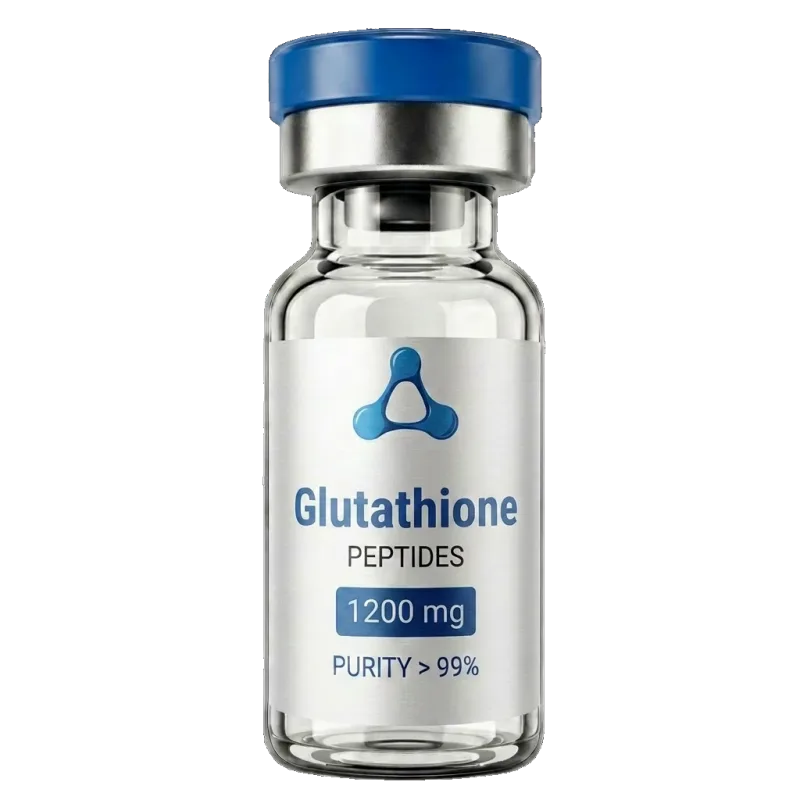
Glutathione – peptide vial product image

Identity & Chemistry

Amino Acid Sequence
γ-Glu-Cys-Gly (γ-glutamyl linkage via the side-chain carboxyl of glutamate)
Molecular Formula
C10H17N3O6S
Molecular Weight
307.32 g/mol
CAS Number
70-18-8
PubChem CID
745
DrugBank ID
DB00143
IUPAC Name
(2S)-2-amino-4-{[(1R)-1-[(carboxymethyl)carbamoyl]-2-sulfanylethyl]carbamoyl}butanoic acid

Mechanism of Action

Studies report that glutathione detoxifies reactive oxygen species by direct thiol chemistry and as a co-substrate of glutathione peroxidases. Observed in research settings.

Intracellular GSH concentration ranges from 1 to 10 mM and exceeds GSSG by approximately 100-fold under physiological conditions. In hepatocytes, glutathione is the principal Phase II conjugate for detoxifying reactive metabolites such as N-acetyl-p-benzoquinone imine (NAPQI, the hepatotoxic acetaminophen metabolite). Oral bioavailability of free GSH is poor — most oral preparations are hydrolysed in the gut to amino acids. Intravenous or inhaled administration bypasses this first-pass loss.
Molecular Targets

  • Glutathione peroxidases (GPx1-8)
  • Glutathione S-transferases (GST)
  • Glutaredoxins
  • Reactive oxygen species (direct thiol reaction)

Signaling Pathways

  • Redox homeostasis
  • Phase II detoxification
  • Protein S-glutathionylation

Research Applications

The published evidence base consists of numerous mechanistic animal and cell studies, plus small, predominantly open-label human pilots in neurology, oncology and pulmonology; large controlled trials are sparse.

Early Parkinson's disease — small open-label pilot

Phase II

Sechi 1996: intravenous GSH 600 mg twice daily for 30 days in 9 untreated Parkinson's patients reported symptomatic improvement; not controlled, not randomized.

— Sechi G et al. 1996, Prog Neuropsychopharmacol Biol Psychiatry 20(7):1159-1170

Clinical Status

Regulatory Status
Glutathione is NOT approved as a drug by the FDA, EMA, MHRA or any other Western regulator. It is administered as an off-label IV infusion in some jurisdictions by non-traditional clinics (notably for skin-lightening indications without evidence of efficacy). The FDA issued warnings in 2019 against unapproved IV glutathione use.
Show more
Sponsor
None — generic compound; academic research dominates

Safety Profile

Observed in research settings

Limited human data. Oral GSH is generally well tolerated; intravenous use has been described as tolerable in small pilots, but systematic pharmacovigilance data do not exist. Observed in research settings.

Adverse Events Reported in Studies

  • IV: transient hypotension, flushing (reported)
  • Inhaled: bronchial irritation (reported)

References

  1. Forman HJ, Zhang H, Rinna A Glutathione: overview of its protective roles, measurement, and biosynthesis Molecular Aspects of Medicine 2009;30(1-2):1-12. 2009 .

  2. Lu SC Glutathione synthesis Biochimica et Biophysica Acta 2013;1830(5):3143-3153. 2013 .

  3. Sechi G, Deledda MG, Bua G, Satta WM, Deiana GA, Pes GM, Rosati G Reduced intravenous glutathione in the treatment of early Parkinson's disease Progress in Neuro-Psychopharmacology & Biological Psychiatry 1996;20(7):1159-1170. 1996 .

Frequently Asked Questions

Is glutathione a peptide?
Yes, technically — glutathione is a tripeptide (γ-Glu-Cys-Gly) with an atypical γ-peptide bond. It is listed in this catalog alongside longer research peptides.
Is intravenous glutathione approved?
No. IV glutathione is NOT approved by the FDA, EMA or other Western regulators. The FDA issued warnings in 2019 against unapproved IV glutathione use.